


What is the difference between geotextile and geomembrane?
Release time:
2024-05-30
Geotextiles and geomembranes, while both used in geotechnical and civil engineering applications, serve different purposes and have distinct characteristics
Geotextiles and geomembranes, while both used in geotechnical and civil engineering applications, serve different purposes and have distinct characteristics:
**Geotextiles**:
- **Material**: Typically made from natural fibers (like jute or coir) or synthetic materials (such as polyester, polypropylene, or nylon).
- **Function**: Primarily used for separation, filtration, reinforcement, drainage, or protection functions in soil or other construction materials. They allow water to pass through while retaining soil particles, enhancing soil stability, and preventing the mixing of layers.
- **Permeability**: Geotextiles are permeable, meaning they allow the passage of water and gases, which is beneficial for applications requiring drainage or filtration.
- **Structure**: They can be woven, needle-punched, or heat-bonded, providing a flexible and porous structure.
- **Examples of Use**: Road construction, erosion control, filtration in drainage systems, underlayment for paved surfaces, and separation between different soil layers.

**Geomembranes**:
- **Material**: Made from synthetic materials like high-density polyethylene (HDPE), linear low-density polyethylene (LLDPE), polyvinyl chloride (PVC), or other polymer blends.
- **Function**: Primarily serve as barriers to prevent the migration of fluids, either liquids or gases, in the ground or between different materials. They are impermeable, providing a seal against contaminants.
- **Permeability**: Geomembranes are virtually impermeable, blocking the passage of water and gases, which is crucial for containing liquids, preventing contamination, or preserving the integrity of stored materials.
- **Structure**: They are usually smooth or textured to improve frictional properties, and can be installed as single sheets or multiple layers depending on the required thickness and durability.
- **Examples of Use**: Landfill liners, pond liners, mining operations, water containment structures, wastewater treatment facilities, and environmental remediation projects.
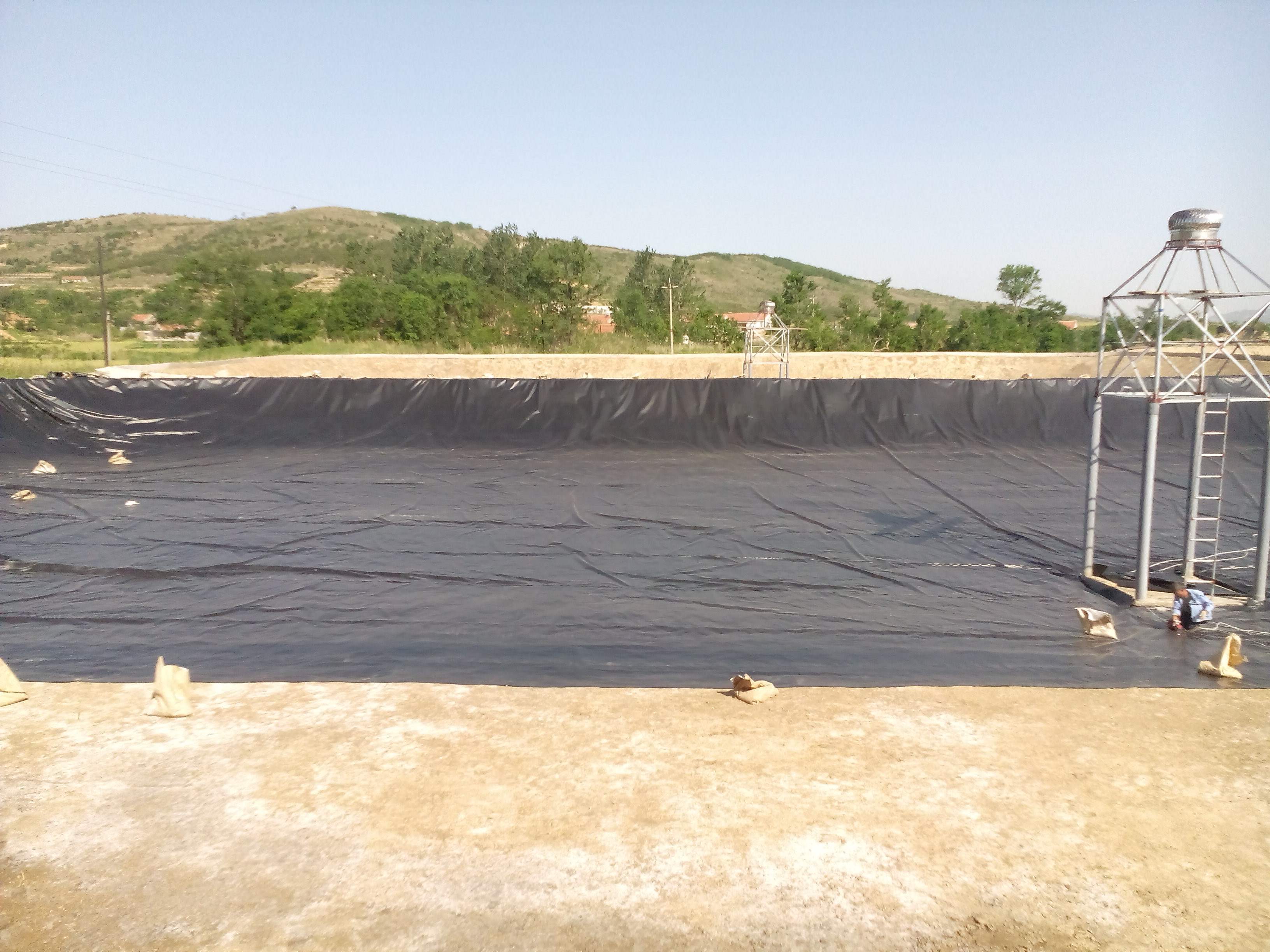
In summary, geotextiles are permeable materials that enhance soil stability and manage water flow, whereas geomembranes are impermeable barriers designed to prevent the movement of fluids, ensuring containment and protection against contamination. Both are integral components in various civil engineering and environmental projects, often used together to address complex site conditions.
Latest News
Enhancing Biogas Efficiency: The Role of Fancy Geomembrane in Biogas Digesters
Biogas digesters are essential components in renewable energy systems, particularly in the conversion of organic waste into biogas. A crucial element in the design and functionality of these digesters is the geomembrane, which serves as a barrier to contain the biogas and protect the environment from potential leaks. The adoption of fancy biogas digester geomembranes has revolutionized the industr
2026-06-17
Understanding Advanced Tunnel Waterproofing Geomembranes: A Key Component in Construction
In the realm of construction and civil engineering, the significance of advanced tunnel waterproofing geomembranes cannot be overstated. These specialized materials are engineered to provide effective moisture barriers in various underground structures, ensuring durability and safety. Understanding their properties, applications, and benefits is crucial for professionals in the field. Advanced tun
2026-06-10
Transform Your Construction Site with Budget-Friendly Reservoir Liner Geomembranes
Transform Your Construction Site with Budget-Friendly Reservoir Liner Geomembranes Table of Contents 1. Introduction to Reservoir Liner Geomembranes 2. Key Benefits of Using Budget-Friendly Geomembranes 3. Applications of Reservoir Liner Geomembranes in Construction 4. How to Properly Install Reservoir Liner Geomembranes 5. Maintenance Tips for Long-lasting Durability 6. C
2026-06-05
Understanding Quality Waste Containment Geomembranes for Construction Projects
Quality waste containment geomembranes play a crucial role in modern construction projects, particularly in the management of hazardous and non-hazardous waste. These specialized materials serve as barriers that prevent contaminants from leaching into the surrounding environment, ensuring project sites remain compliant with environmental regulations. Understanding the properties and applications o
2026-05-31
Exploring the Advantages of the Newest Irrigation Canal Geomembrane In today's rapidly evolving agricultural landscape, effective water management is paramount. The development of innovative materials, such as the newest irrigation canal geomembranes, has brought significant improvements to irrigation practices. These geomembranes are designed to optimize water retention, reduce evaporation, and m
2026-05-26
Exploring Affordable UV-Resistant Geomembranes for Your Construction Projects
In the construction and building materials sector, particularly concerning site construction materials like geomembranes, the demand for UV-resistant options is ever-growing. A cheap UV-resistant geomembrane can provide significant advantages, particularly in applications involving water containment, landfill liners, and agricultural uses. Such materials are crucial for ensuring durability while m
2026-05-21


GET A FREE QUOTE
Copyright : Shandong Hengyang New Materials Co., Ltd.